Build context.
Support action.
Explore the sensing method, deployment considerations and operator workflow for your application.
Discuss your requirementsDAS pipeline monitoring and route security
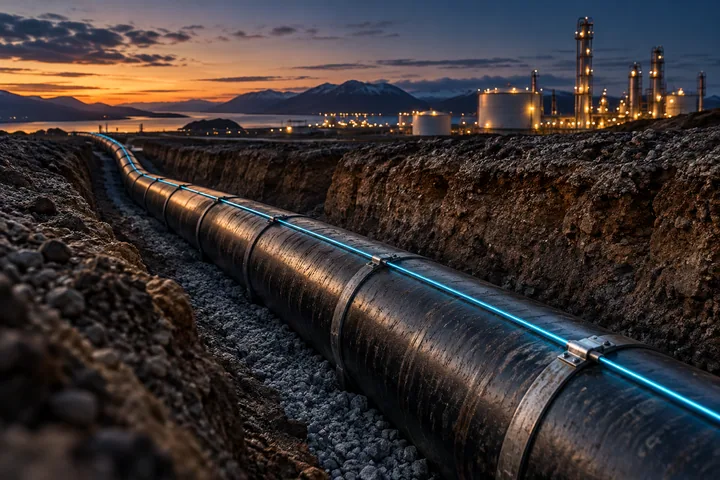
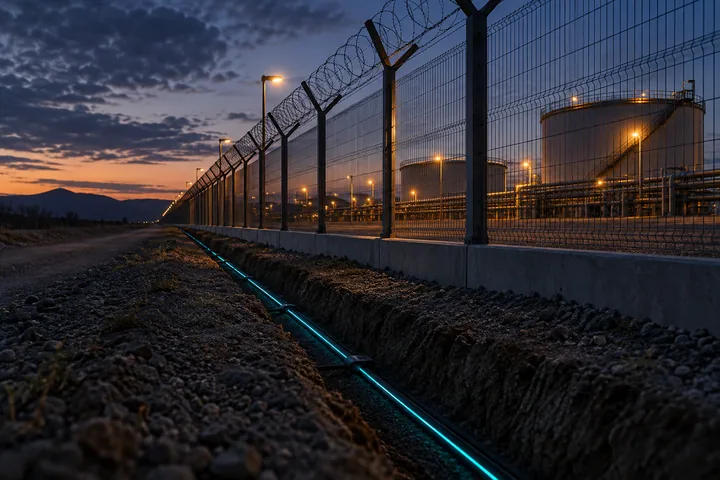
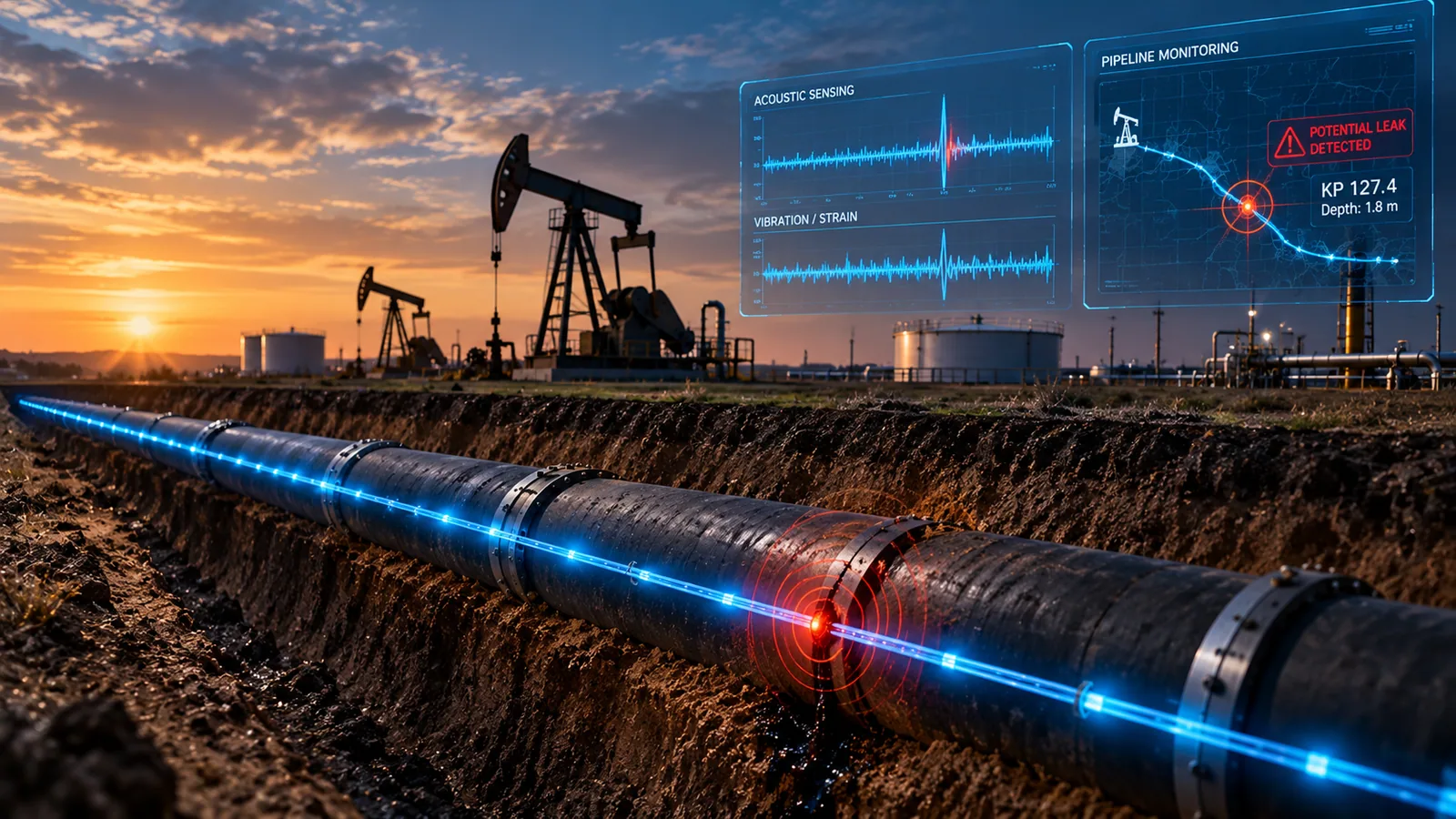
Distributed acoustic sensing for pipelines measures dynamic strain associated with acoustic and vibration activity. DAS pipeline monitoring can support pipeline intrusion detection and pipeline third-party interference detection by identifying signatures associated with excavation, vehicles and other activity near a route. Fiber optic oil pipeline monitoring and pipeline security depend on fiber placement, ground coupling and the local operating environment.
Fiber optic pipeline leak detection
A pipeline leak detection system may use acoustic signatures, temperature changes or complementary measurements. Distributed fiber optic leak detection can help locate anomalies for investigation; a detected disturbance does not by itself confirm a leak. Gas pipeline leak detection using fiber optic sensing and LNG pipeline leak detection require application-specific assessment of the fluid, insulation, installation and expected thermal or acoustic response.
Oilfield and downhole distributed sensing
Beyond transport corridors, DAS oil and gas applications include fiber optic well monitoring and downhole distributed sensing. These environments require suitable sensing cable, installation and interrogation hardware. Discuss the available measurements and operating conditions with Tranzmeo before defining the software analytics scope.
For the measurement principles and thermal installation considerations, read our Distributed Temperature Sensing (DTS) guide.