Build context.
Support action.
Explore the sensing method, deployment considerations and operator workflow for your application.
Discuss your requirementsBridges, tunnels and dams
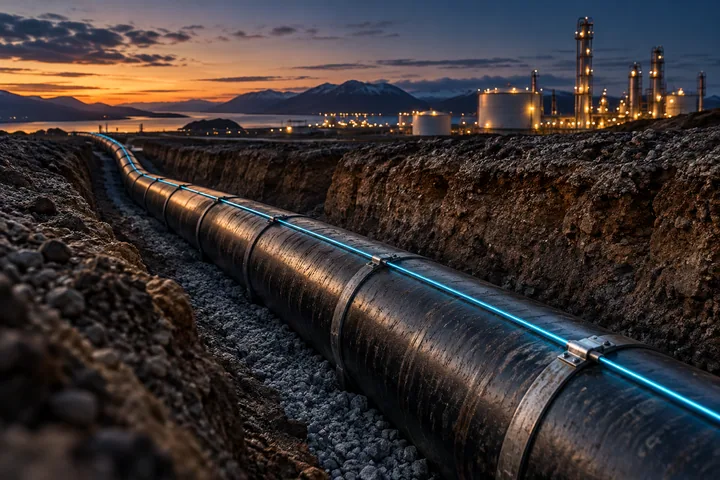
Distributed strain sensing for bridges can help engineers examine how measured strain varies along instrumented structural elements. Fiber optic bridge monitoring, fiber optic tunnel monitoring and fiber optic dam monitoring each require a suitable installation and a baseline for interpretation. Temperature effects and load conditions must be considered when reviewing strain changes.
Deformation, cracks and geotechnical monitoring
Fiber optic deformation monitoring and fiber optic crack monitoring depend on sensor attachment, spatial resolution and mechanical strain transfer. Geotechnical fiber optic monitoring extends this approach to soil and ground structures. Fiber optic landslide monitoring and slope monitoring using fiber optic cable need site-specific engineering to relate measurements to ground movement.
Engineering context for software analytics
Tranzmeo’s hardware-agnostic approach provides a basis for discussing how distributed measurements can enter an analytics workflow. Structural condition assessments require qualified engineering interpretation. Bring the sensing method, baseline data and project objectives to a technical discussion; support for a particular structural application requires evaluation.